
Pouring Concrete in Houston Summer: Jersey Village Tips
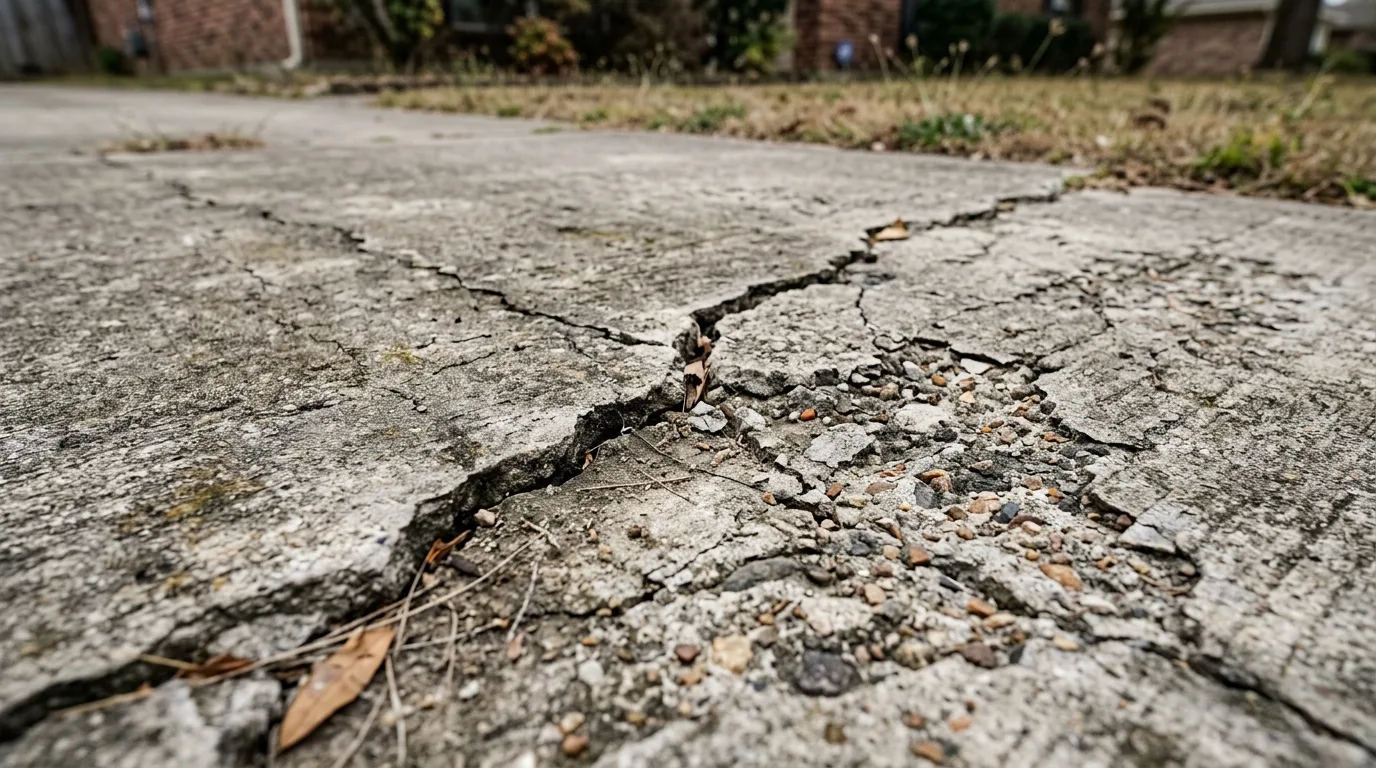
Jersey Village homeowners planning a concrete project in June, July, or August face a real dilemma. The spring and fall seasons go fast — good concrete weather in Houston is a limited resource — and waiting for fall can mean losing months of your project timeline. The good news is that summer concrete pours in Jersey Village are done routinely by experienced contractors, and the outcome can be just as good as a fall pour when the right techniques are used. The key is understanding what high heat actually does to fresh concrete, and what compensating measures actually work versus what contractors sometimes skip when they’re under schedule pressure.
Summer Concrete Work in Jersey Village
Jersey Village Concrete schedules and manages summer pours with proper curing protocols. Call (888) 376-0955.
Why Houston Summer Heat Challenges Fresh Concrete
Concrete cures through hydration — water and cement react to form the crystalline bonds that give concrete its strength. This reaction is temperature-dependent: faster in heat, slower in cold. In Jersey Village’s summer heat — average August highs of 94–95°F, with heat index values regularly above 105°F — the reaction accelerates dramatically at the surface of the slab while the interior proceeds at a more moderate rate. The surface sets faster than the interior, which causes the surface layer to shrink relative to the interior, creating surface cracking (called plastic shrinkage cracking) and a weakened top layer that dusts and deteriorates under traffic.
The second effect of heat on fresh concrete is evaporation. When the rate of evaporation from the concrete surface exceeds the rate at which bleed water rises to replace it, the surface desiccates — it loses moisture faster than hydration can consume it, leaving a weak, porous surface layer. The ACI standard identifies an evaporation rate of 0.20 pounds per square foot per hour as the threshold above which plastic shrinkage cracking is likely. In Jersey Village’s summer combination of 95°F heat, 40–60% afternoon humidity, and the prevailing Gulf breeze, that threshold is regularly exceeded on unprotected concrete surfaces in the afternoon hours.
Types of Summer Concrete Management Techniques
Early morning scheduling: The most important tool for summer concrete in Jersey Village. Scheduling pours to begin at 6–7am allows placement to be complete and the surface to be protected before the hottest part of the day arrives (typically 2–4pm). Most concrete batch plants in the Houston area offer early delivery windows — your contractor should be scheduling specifically for this.
Evaporation retardant: A monomolecular film sprayed on fresh concrete immediately after striking and floating. The film reduces surface evaporation without affecting the finishing process, buying the crew time to finish the slab before it stiffens prematurely. This is standard practice for summer pours and should be included without asking — a contractor who doesn’t use it on a July or August pour in Jersey Village is cutting a corner.
Chilled concrete: Concrete batch plants in the Houston area can chill the mix water or add ice to the truck to deliver concrete at a lower temperature (below 80°F at placement). Chilled concrete is appropriate for large pours where the heat load from the ambient environment would overheat a standard mix before the pour is complete. It adds cost but is worth it for pours over 3,000–5,000 sq ft in peak summer conditions.
Curing blankets and wet burlap: After finishing, concrete in Jersey Village’s summer heat must be protected from sun and wind for the first 7 days. Wet burlap covered with plastic sheeting or curing blankets prevents the surface from drying out during the critical early cure period. For driveways and patios, keeping the surface wet requires daily water application or a closed-loop curing system — a step that homeowners should verify their contractor has planned.
Avoiding afternoon pours: By 2pm in a Jersey Village August, the combination of solar radiation on the fresh concrete surface, 95°F air temperature, and wind evaporation load creates conditions that can overwhelm even properly applied evaporation retardant. No large pour should begin in the afternoon during summer months.
Practical Tips for Jersey Village Homeowners Scheduling Summer Concrete
- Ask your contractor what time the pour starts. Any answer other than “first delivery is at 6 or 7am” should prompt a follow-up conversation about why and how they’re managing the heat.
- Ask about evaporation retardant. It should be included automatically. If the contractor has to think about what you’re asking, that’s a flag.
- Plan your 7-day curing period. No vehicle traffic for at least 7 days after the pour. In summer, this means keeping cars off the street until the concrete is secured — something to coordinate with your household schedule before the pour date.
- Check the 5-day forecast. Rain within 4 hours of a concrete pour can wash the surface layer and damage the finish. Your contractor should be checking weather — but so should you. If a storm is in the forecast window, the pour should be rescheduled rather than rushed.
- Understand that summer stamped concrete is more complex. The stamping window — the period between when concrete is placed and when it stiffens enough to resist stamping — is significantly shorter in summer heat. Experienced stamped concrete crews adjust their technique and staffing; less experienced crews can lose their stamping window and deliver a substandard result.
How It Works: A Well-Managed Summer Pour in Jersey Village
A properly managed summer driveway pour in Jersey Village on a 95°F day:
6:00am — First concrete truck arrives. Forms are already set, base is prepared, rebar is in place. Site has been wetted the evening before to reduce the thermal load of hot concrete contacting a sun-baked base.
6:30am — Pour begins. Evaporation retardant is applied immediately after each section is bull-floated.
9:00am — Pour complete. Broom finish applied. Concrete is covered with wet burlap.
9:00am–7:00pm — Contractor wets the burlap twice more during the day and checks that the covering hasn’t shifted.
Day 2–7 — Daily wetting of the curing cover maintains surface moisture. Sun and wind are blocked.
Day 8 — Curing compound applied. Covers removed. Foot traffic allowed.
Day 28 — Full design strength reached. Vehicle traffic and sealing appropriate.
Summer Concrete Done Right in Jersey Village
Jersey Village Concrete manages pours year-round with the curing protocols that Houston's climate requires. Call (888) 376-0955.
Cost Factors for Summer Concrete in Jersey Village
Summer concrete in Jersey Village doesn’t dramatically change the base price — $6–$14 per square foot for concrete driveways applies year-round. What changes is the cost of accommodations for heat management. Evaporation retardant adds $0.05–$0.15 per square foot. Chilled concrete adds $5–$10 per truck (typically one truck per 10 cubic yards). Curing materials add $0.10–$0.25 per square foot. On a standard two-car driveway, the summer accommodations add $100–$300 to the total — a small increment relative to the pour’s total cost that is genuinely worth the investment for concrete quality.
Contractors who skip these accommodations to save time or material cost are not saving you money — they’re taking from the quality of the outcome. Ask about summer protocols before signing any contract.
Frequently Asked Questions
Can you pour concrete in summer in Houston?
Yes — experienced concrete contractors pour concrete year-round in the Houston area, including Jersey Village. The techniques are well-established: early morning pours, evaporation retardant, curing covers, and daily wetting during the first 7 days. Summer concrete done with proper protocols produces results that are equivalent to spring or fall pours. Summer concrete done without proper protocols — afternoon pours, no evaporation retardant, no curing covers — produces a weaker, dustier surface that wears out faster.
What temperature is too hot for concrete in Jersey Village?
There’s no absolute cutoff, but the challenges increase significantly above 90°F air temperature. At 95°F with any wind, evaporation rates on fresh concrete are high enough to require evaporation retardant as a baseline measure, not an optional accommodation. Above 100°F heat index, chilled concrete should be considered for large pours. The ACI Hot Weather Concreting guidelines (ACI 305) are the reference standard that experienced Houston contractors follow.
How long before I can drive on summer concrete in Jersey Village?
Concrete strength development in summer is actually faster than in fall or winter because the heat accelerates hydration. However, the standard 7-day minimum before vehicle traffic still applies — not because strength development is slow, but because the surface needs the full cure period for surface hardness and durability. In summer, the concrete may reach adequate strength for light foot traffic in 24–48 hours but vehicle loads at 7 days. Read our full seasonal guide for the complete curing timeline by season.
Summer Concrete Pours Done Right in Jersey Village
Call Jersey Village Concrete at (888) 376-0955. We schedule, manage, and protect summer pours with professional protocols.
Related: